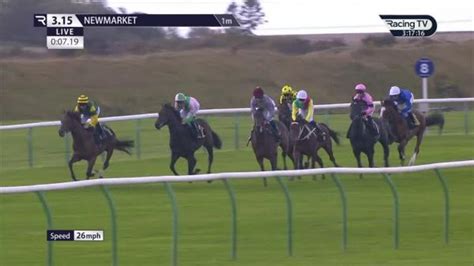
I’ll create a blog post about Newmarket Results following the specified guidelines. I’ll use WebSearch to gather some context first. Based on the search results, I’ll craft the blog post about Newmarket Results:
The world of horse racing at Newmarket continues to captivate enthusiasts with its rich history and dynamic racing landscape. As one of the most prestigious racing venues in the United Kingdom, Newmarket offers a unique blend of tradition and competitive excitement that keeps both casual spectators and serious racing fans on the edge of their seats.
Newmarket’s Racing Landscape

Newmarket boasts two distinct racecourses that define its racing calendar: the Rowley Mile and the July Course. Each course presents unique challenges and opportunities for horses and jockeys alike.
| Course | Racing Period | Key Characteristics |
|---|---|---|
| Rowley Mile | April, May, September, October | L-shaped track with slight undulations, featuring a challenging uphill section known as 'the Dip' |
| July Course | Mid-Summer | Undulating straight line with a downhill gradient and a sharp rise in the final furlong |

Significant Racing Events

Newmarket hosts several prestigious racing events throughout the year that attract top-tier talent and international attention. Some of the most notable races include:
- Classic Trials: Craven Stakes and Nell Gwyn Stakes in April
- Classic Races: 1000 and 2000 Guineas in May
- Summer Highlights: July Cup and Falmouth Stakes
- Autumn Juvenile Races:
- Middle Park Stakes
- Cheveley Park Stakes
- Dewhurst Stakes
- Fillies' Mile
- Handicap Events: Cambridgeshire and Cesarewitch in October
Racing Dynamics and Performance Insights

Understanding the nuances of Newmarket’s racing results requires a deep dive into the statistical trends that shape competitive outcomes. Based on recent analysis of the Dewhurst Stakes, a premier juvenile race, several interesting patterns emerge:
- Betting Trends:
- 8 out of 12 recent winners were favorites
- 9 out of 12 winners were in the top 3 betting positions
- Performance Indicators:
- 9 out of 12 winners won their previous race
- 11 out of 12 had their last run within 34 days
- 10 out of 12 had previous experience over 7 furlongs
- Future Potential:
- 8 out of 12 Dewhurst Stakes winners subsequently ran in the 2000 Guineas
- 2 of those 8 went on to win the 2000 Guineas
🏇 Note: These statistical insights demonstrate the competitive nature and predictive potential of Newmarket's racing results.
The racing results at Newmarket are more than just numbers; they represent a complex interplay of horse potential, jockey skill, track conditions, and strategic racing dynamics. Each race tells a story of preparation, performance, and the pursuit of equine excellence.
What makes Newmarket unique among racing venues?
+
Newmarket is known as the global headquarters of horse racing, featuring two distinct courses and hosting some of the most prestigious classic races in the UK.
How often does racing occur at Newmarket?
+
Racing takes place at different times throughout the year, with the Rowley Mile active in April, May, September, and October, while the July Course hosts races during the summer months.
What are the most important races at Newmarket?
+
Key races include the 1000 and 2000 Guineas, July Cup, Falmouth Stakes, and several important juvenile races like the Dewhurst Stakes and Cheveley Park Stakes.