
I’ll create a blog post about commercial slicers following the detailed instructions. I’ll use HTML formatting and ensure the content meets the specified requirements.
In the bustling world of commercial food preparation, the commercial slicer used in professional kitchens represents a critical tool that transforms food preparation efficiency and precision. From busy restaurants to catering services, these powerful machines have revolutionized how culinary professionals approach ingredient preparation, offering unparalleled consistency and speed in slicing various food items.
Understanding Commercial Slicers: A Comprehensive Overview

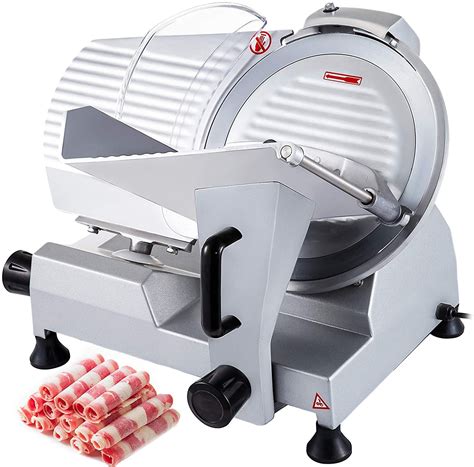
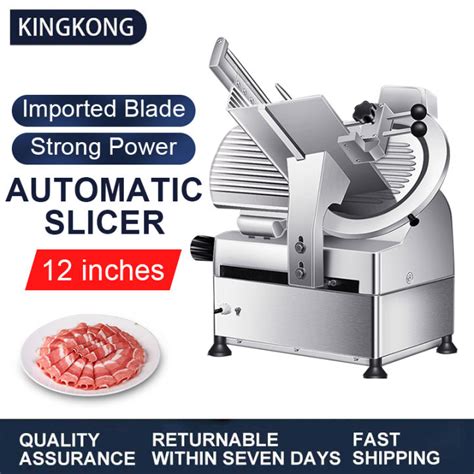
A commercial slicer used in professional settings is far more than a simple kitchen appliance. These robust machines are engineered to handle high-volume slicing tasks with remarkable accuracy and durability. Unlike home kitchen slicers, commercial models are designed to withstand intense daily use, delivering consistent results across multiple food types.
| Feature | Commercial Slicer Specification | Typical Performance |
|---|---|---|
| Blade Size | 10-14 inches | Handles large volume slicing |
| Material | Stainless Steel | Corrosion-resistant, easy to clean |
| Slice Thickness | 0-1 inch adjustable | Precise cutting options |

Key Applications of Commercial Slicers
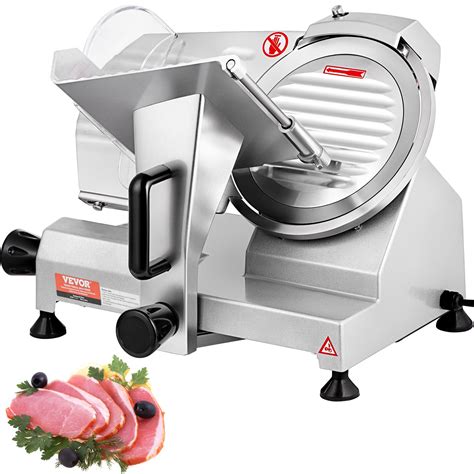
The versatility of a commercial slicer used in professional kitchens extends across multiple culinary domains:
- Deli and Restaurant Environments: Perfect for consistent meat, cheese, and vegetable slicing
- Catering Services: Enables rapid food preparation for large events
- Bakeries: Ideal for precision bread and pastry cutting
- Food Processing: Supports industrial-scale ingredient preparation
Maintenance and Safety Considerations

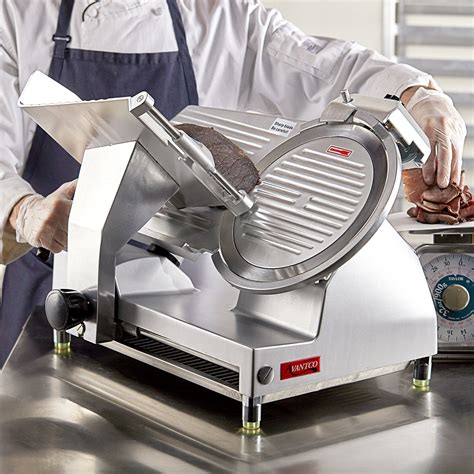
Proper maintenance of a commercial slicer used in professional settings is crucial for longevity and food safety. Regular cleaning, blade sharpening, and careful handling ensure optimal performance and prevent potential contamination.
Essential Maintenance Steps
- Daily thorough cleaning with food-safe sanitizers
- Regular blade sharpening and lubrication
- Inspection for wear and potential damage
- Proper storage in clean, dry environments
🔧 Note: Always follow manufacturer guidelines for specific maintenance procedures specific to your commercial slicer model.
Professional chefs and food service managers understand that investing in a high-quality commercial slicer is not just about purchasing equipment—it's about enhancing overall kitchen efficiency, ensuring consistent food presentation, and maintaining high standards of food preparation.
How often should a commercial slicer be cleaned?
+
Commercial slicers should be thoroughly cleaned and sanitized daily, especially after processing different food types to prevent cross-contamination.
What foods can be sliced with a commercial slicer?

+
Commercial slicers can handle various foods including meats, cheeses, breads, vegetables, and some fruits, depending on the model's specifications.
Are commercial slicers difficult to operate?
+
Most commercial slicers are designed with user-friendly controls and adjustable settings, making them relatively easy to operate with proper training.
The world of commercial food preparation continues to evolve, and the commercial slicer remains an indispensable tool for professionals seeking precision, efficiency, and consistency in their culinary operations.